
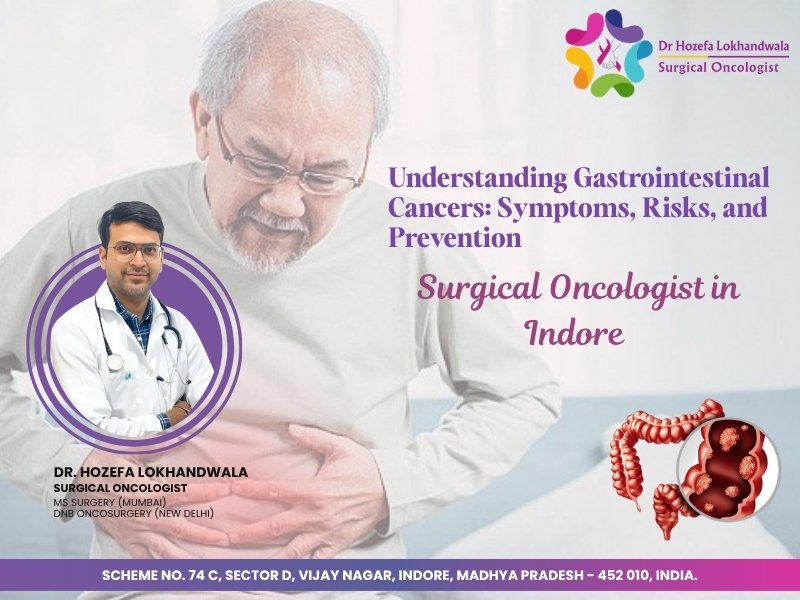
Cancer can affect different parts of the body, including the digestive system. When cancer develops in organs such as the stomach, colon, rectum, esophagus, pancreas, liver, or small intestine, it is known as gastrointestinal cancer. These cancers can affect people of different age groups.
Understanding gastrointestinal cancers is important because early detection can significantly improve treatment outcomes. Many people ignore early warning signs, thinking they are simple digestive issues. However, symptoms that persist for weeks or months should never be ignored.
If you are looking for guidance regarding digestive system cancers, consulting the Best Cancer Doctor in Indore can help you understand your condition and explore appropriate treatment options. Dr Hozefa Lokhandwala is dedicated to helping patients recognize symptoms early and receive timely care.
Today, advances in cancer diagnosis and treatment have improved survival rates for many gastrointestinal cancers. With proper awareness, regular screenings, many cases can be detected early or even prevented.
For patients seeking specialized care, Stomach Cancer Treatment in Indore has become more advanced, offering modern diagnostic techniques and treatment approaches. Under the care of Dr Hozefa Lokhandwala, patients can receive guidance tailored to their specific cancer type and stage.
What Are Gastrointestinal Cancers?
Gastrointestinal cancers are cancers that develop within the digestive tract and related organs.
Many gastrointestinal cancers begin with abnormal cell growth that gradually develops into a tumor. Early diagnosis by the Best Cancer Doctor in Indore can help improve treatment outcomes and quality of life.
Patients experiencing persistent digestive symptoms should seek medical evaluation from experts such as Dr Hozefa Lokhandwala.
Common Symptoms of Gastrointestinal Cancers
The symptoms of gastrointestinal cancers can vary depending on the affected organ.
Persistent Abdominal Pain
Ongoing abdominal discomfort or pain should not be ignored. While occasional digestive discomfort is common, persistent pain may indicate an underlying issue that requires medical evaluation.
Individuals experiencing long-term abdominal pain should consult the Best Cancer Doctor in Indore to identify the cause and receive timely treatment.
Unexplained Weight Loss
Sudden weight loss without changes in diet or exercise may be a warning sign of cancer.
Dr Hozefa Lokhandwala encourages patients to seek medical attention if they notice significant and unexplained weight loss.
Changes in Bowel Habits
Alternate diarrhea & constipation may indicate colorectal cancer or other digestive tract conditions.
These symptoms should be evaluated by the Best Cancer Doctor in Indore, especially if they persist for several weeks.
Difficulty Swallowing
Esophageal cancer can make swallowing difficult for solids more than liquids. Patients may feel as though food is getting stuck in their chest.
Early diagnosis by Dr Hozefa Lokhandwala can help determine the cause and guide treatment planning.
Blood in Stool
The presence of blood in stool should always be investigated. It may indicate colorectal cancer, stomach cancer, or other gastrointestinal conditions.
Patients seeking gastrointestinal Cancer Treatment in Indore are often advised to undergo thorough diagnostic testing to identify the source of bleeding.
Persistent Nausea and Vomiting
Frequent nausea or vomiting that does not improve may indicate a digestive system disorder or cancer.
If these symptoms continue for an extended period, consultation with the Best Cancer Doctor in Indore is recommended.
Loss of Appetite
A reduced desire to eat occur in several gastrointestinal cancers. This symptom is often accompanied by fatigue and weight loss.
Dr Hozefa Lokhandwala emphasizes the importance of early evaluation when appetite changes occur without a clear reason.
Feeling Full Quickly
Some patients feel full after eating only a small amount of food. This symptom can be associated with stomach cancer and should not be overlooked.
Those experiencing this symptom may benefit from early assessment and Stomach Cancer Treatment in Indore if required.
Why Early Detection Matters
Early detection can make a significant difference in cancer treatment outcomes. When gastrointestinal cancers are identified at an early stage, treatment options are often more effective and less invasive.
Regular health checkups and awareness of symptoms are essential. Consulting the Best Cancer Doctor in Indore at the earliest sign of concern can help ensure timely diagnosis.
Dr Hozefa Lokhandwala believes that patient education and early screening play a major role in reducing the impact of gastrointestinal cancers.
Benefits of Early Detection Include:
- Better treatment success rates
- More treatment options
- Improved quality of life
- Reduced complications
- Increased survival rates
Risk Factors for Gastrointestinal Cancers
Understanding the factors that increase the risk of gastrointestinal cancers can help people take preventive measures and seek timely medical advice.
Increasing Age
The risk of many gastrointestinal cancers increases with age. Most cases are diagnosed in individuals over 50 years old, although younger adults can also be affected.
Regular health screenings and consultations with the Best Cancer Doctor in Indore become increasingly important as people grow older.
Tobacco Use
Smoking and tobacco consumption are strongly linked to several digestive system cancers, including stomach, esophageal, pancreatic, and colorectal cancers.
Avoiding tobacco products can significantly reduce cancer risk. Dr Hozefa Lokhandwala often advises patients to quit smoking as part of a healthier lifestyle plan.
Excessive Alcohol Consumption
Heavy alcohol intake can damage digestive organs and increase the likelihood of developing gastrointestinal cancers like pancreatic cancer and liver cancer.
Reducing alcohol consumption is an important preventive step recommended by the Best Cancer Doctor in Indore.
Unhealthy Diet
A diet high in processed foods, red meat, and salty foods may increase cancer risk. At the same time, a lack of fruits, vegetables, and fiber can negatively affect digestive health.
Many patients seeking Stomach Cancer Treatment in Indore are encouraged to adopt healthier eating habits to support overall well-being.
Obesity
Being overweight or obese can increase the risk of several cancers, including stomach, colon, and pancreatic cancers.
Maintaining a healthy weight through regular exercise and balanced nutrition can help lower this risk.
Family History
Individuals with close relatives who have had gastrointestinal cancers may have a higher risk themselves.
If there is a family history of cancer, Dr Hozefa Lokhandwala may recommend earlier screenings and more frequent health evaluations.
Chronic Infections
Certain infections can increase the likelihood of developing gastrointestinal cancers. For example, Helicobacter pylori (H. pylori) infection has been linked to stomach cancer.
Inflammatory Conditions
Chronic inflammatory diseases such as ulcerative colitis and chronic gastritis may increase cancer risk over time.
Regular monitoring by the Best Cancer Doctor in Indore can help identify concerning changes before they become serious.
How Can Gastrointestinal Cancers Be Prevented?
Although not all cancers can be prevented, several lifestyle choices can significantly reduce the risk of developing gastrointestinal cancers.
Eat a Balanced Diet
A healthy diet rich in fruits, vegetables, and whole grains supports digestive health and helps protect against cancer.
Dr Hozefa Lokhandwala recommends including fruits and vegetables in daily meals because they contain important vitamins and antioxidants.
Benefits of a Balanced Diet Include:
- Better digestion
- Improved immunity
- Reduced inflammation
- Healthy weight maintenance
- Lower cancer risk
Maintain a Healthy Weight
Excess body weight is associated with several types of gastrointestinal cancers.
These habits may help reduce the need for future cancer treatments and support long-term digestive health.
Simple Ways to Maintain a Healthy Weight Include:
- Regular physical activity
- Limiting sugary drinks
- Choosing nutritious foods
- Regular physical activity
Avoid Tobacco Products
Quitting smoking is one of the most effective steps for cancer prevention.
The Best Cancer Doctor in Indore often emphasizes that it is never too late to stop smoking and improve overall health.
Limit Alcohol Intake
Reducing alcohol consumption can lower the risk of damage to the digestive tract and associated organs.
Stay Physically Active
Regular exercise helps maintain a healthy weight and supports digestive function.
20–30 minutes of daily activity can contribute to better health outcomes.
Early consultation with Dr Hozefa Lokhandwala allows individuals to discuss their personal risk factors and appropriate screening options.
Recommended Activities Include:
- Walking
- Cycling
- Swimming
- Yoga
- Light strength training
Treatment Options for Gastrointestinal Cancers
Cancer treatment depends on several factors, including the type of cancer, its location, stage, and the patient’s overall health.
Modern medicine offers multiple treatment approaches designed to improve outcomes and quality of life.
Surgery
Surgery is often the primary treatment for many gastrointestinal cancers.
Many patients undergoing Stomach Cancer Treatment in Indore may require surgery as part of their treatment plan.
The Goal of Surgery May Include:
- Removing tumors with wide margins
- Relieving symptoms
- Improving survival chances
Chemotherapy
Chemotherapy uses medications to destroy cancer cells or stop their growth.
The Best Cancer Doctor in Indore carefully evaluates each patient’s condition before recommending chemotherapy.
It May Be Used:
- Before surgery
- After surgery
- Alongside radiation therapy
- For advanced-stage cancers
Radiation Therapy
Radiation therapy uses high-energy rays to target and destroy cancer cells.
It May Help:
- Shrink tumors
- Reduce symptoms
- Improve treatment outcomes
- Lower recurrence risk
Targeted Therapy
Targeted therapy focuses on specific cancer-related molecules and pathways.
This modern approach may offer benefits while reducing damage to healthy tissues.
Immunotherapy
Immunotherapy helps the body’s immune system recognize and attack cancer cells more effectively.
For selected patients, this treatment can be an important part of cancer care under the supervision of Dr Hozefa Lokhandwala.
Frequently Asked Questions (FAQs)
What are gastrointestinal cancers?
Gastrointestinal cancers are cancers that affect the digestive system, including the stomach, colon, rectum, esophagus, pancreas, liver, and small intestine.
What are the early symptoms of gastrointestinal cancer?
Common symptoms include abdominal pain, unexplained weight loss, changes in bowel habits, blood in stool, nausea, vomiting, and loss of appetite.
Can gastrointestinal cancers be prevented?
While not all cases can be prevented, maintaining a healthy lifestyle, avoiding tobacco, limiting alcohol, exercising regularly, and attending routine screenings can help reduce risk.
Who is at higher risk for gastrointestinal cancers?
People with a family history of cancer, smokers, heavy alcohol users, individuals with obesity, and those with chronic digestive disorders may have a higher risk.
How is gastrointestinal cancer diagnosed?
Diagnosis may involve endoscopy, colonoscopy, imaging tests, blood tests, and biopsy procedures.
What treatment options are available for gastrointestinal cancers?
Treatment options may include surgery, chemotherapy, radiation therapy, targeted therapy, and immunotherapy depending on the cancer type and stage.
Is stomach cancer curable if detected early?
Early-stage stomach cancer often has better treatment outcomes. Early diagnosis and timely Stomach Cancer Treatment in Indore can significantly improve prognosis.
How often should I undergo cancer screening?
Screening recommendations depend on age, family history, and personal risk factors. Dr Hozefa Lokhandwala can guide patients regarding appropriate screening schedules.
When should I see the Best Cancer Doctor in Indore?
You should seek medical attention if you experience persistent digestive symptoms, unexplained weight loss, blood in stool, or other warning signs that do not improve.
Why is early detection important?
Early detection increases treatment options, improves survival rates, and may reduce the need for more aggressive treatments later.
Conclusion – Understanding Gastrointestinal Cancers: Symptoms, Risks, and Prevention
Understanding gastrointestinal cancers is essential for recognizing early warning signs, reducing risk factors, and seeking timely medical care. Symptoms such as persistent abdominal pain, unexplained weight loss, blood in stool, changes in bowel habits, difficulty swallowing, and loss of appetite should never be ignored. Early diagnosis and appropriate treatment can significantly improve outcomes and quality of life. Under the guidance of Dr Hozefa Lokhandwala, patients can access comprehensive evaluation, personalized treatment planning, and advanced cancer care designed to support them throughout their healthcare journey.
