Phone

096993 70755

Email

hello@domainsite.com

Location

Scheme No. 74 C, Sector D, Vijay Nagar, Indore, Madhya Pradesh - 452 010, India.

Author name: drhozefalokhandwala

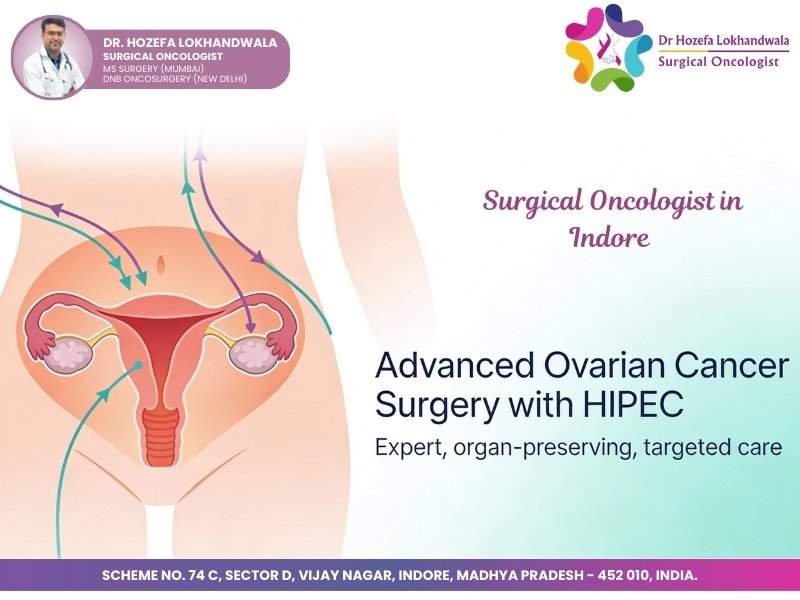
Advanced ovarian cancer surgery with HIPEC illustration showing uterus, ovaries and heated chemotherapy flow, promoting ovarian cancer surgery in Indore by an experienced HIPEC specialist and surgical oncologist.
HIPEC

Ovarian Cancer Surgery in Indore: Advanced Ovarian Cancer Surgery with HIPEC – A Successful Treatment Approach

Hearing the word “cancer” can feel very scary. Many patients and families feel confused, worried, and full of questions. This fear increases when the cancer involves the ovaries, which play a vital role in a woman’s body. If you are looking for advanced ovarian cancer surgery in Indore, you are in the right place. As a doctor, I meet many women and families who arrive feeling afraid. My first goal is always to explain their condition slowly, clearly, and kindly. ovarian cancer surgery in Indore Understanding the problem helps reduce fear and strengthens hope. I will explain advanced ovarian cancer surgery with HIPEC in simple words. I will cover what ovarian cancer is, why it occurs, how we treat it, and how a special procedure called HIPEC helps many patients improve quality of life and survival. I am Dr Hozefa Lokhandwala, Consultant Surgical Oncologist and HIPEC Specialist in Indore. I wrote this blog as I would explain it to patients sitting in my clinic. Understanding Ovarian Cancer in Simple Words Ovarian cancer begins in the ovaries. These small organs help produce eggs and hormones. Sometimes, ovarian cells start growing abnormally. These abnormal cells form cancer. In the early stages, ovarian cancer develops quietly. ovarian cancer surgery in Indore It does not produce obvious symptoms, so many women do not realize they have it until it grows or spreads inside the abdomen. As the Best Oncologist in Indore, I reassure patients that ovarian cancer does not result from their habits, diet, or daily activities. It occurs naturally, and no one is at fault. What Is Advanced Ovarian Cancer? Doctors call ovarian cancer “advanced” when it spreads beyond the ovaries. Cancer cells travel to other areas in the abdomen, usually slowly and silently. Many women receive a diagnosis at a later stage, often when they consult the Best Oncologist in Indore for proper evaluation. Surgery becomes more complex when cancer spreads to multiple areas. However, with precise planning, an experienced surgical team, and advanced treatment, ovarian cancer surgery in Indore, offering patients hope, disease control, and improved long-term outcomes. Where Advanced Ovarian Cancer Can Spread Peritoneum (lining inside the abdomen): This lining covers many organs and represents one of the most common spread locations. Intestines: Cancer in the intestines can cause bloating, abdominal discomfort, or changes in bowel habits. Bladder: The bladder may become affected, leading to frequent urination or pressure in the lower abdomen. Other nearby organs: Depending on the cancer’s stage, it may involve other abdominal organs. Common Causes of Ovarian Cancer Ovarian cancer does not have a single cause. Sometimes it develops quietly, without a clear reason. Awareness and timely medical consultation play a crucial role. Seeing the Best Cancer Surgeon in Indore can help detect cancer early and start prompt treatment. Most women develop ovarian cancer without a clear cause. ovarian cancer surgery in  Indore Regular health check-ups, noticing persistent changes in the body, and consulting a doctor early can significantly improve early detection and treatment outcomes. Risk factors include: Family history of cancer: Close relatives with ovarian, breast, or related cancers may increase risk. Age: The risk rises with age, particularly after menopause. Genetic changes: Inherited gene changes can increase susceptibility. Hormonal factors: Long-term hormonal shifts may contribute. Late menopause or early periods: Extended hormone exposure may slightly increase risk. Never having been pregnant: Some studies link this with higher risk. Symptoms You Should Never Ignore Early ovarian cancer symptoms often seem mild. Many women mistake them for gas or digestive issues. ovarian cancer surgery in Indore Common warning signs include, Although these signs may appear minor, they often precede serious illness. If symptoms persist for more than two to three weeks or feel unusual, consult a doctor immediately. Early action improves diagnosis and treatment success. Frequent bloating Lower abdominal pain or heaviness Feeling full quickly while eating Changes in urination Unexplained weight loss or gain Persistent fatigue When Should You See a Doctor? See a doctor if your body shows unusual changes or persistent discomfort. Don’t dismiss symptoms because they seem mild or painless. Early consultation makes treatment simpler and recovery faster. Identifying cancer early allows for more options and better outcomes. As the Best Cancer Surgeon in Indore, I advise patients to seek evaluation promptly. You should consult a doctor when: Symptoms last more than 2–3 weeks without improvement Pain returns despite rest or medication You feel something abnormal in your body even if you cannot describe it clearly Discomfort, fatigue, or weakness starts affecting daily activities Any bodily change worries you How Is Ovarian Cancer Diagnosed? Doctors use several tests to understand ovarian cancer and its extent. Accurate diagnosis guides the right treatment. After evaluation, we can decide whether surgery, chemotherapy, HIPEC, or a combination is appropriate. Every patient differs, and every cancer behaves uniquely. As the Best Oncologist in Indore, I tailor each treatment plan to the patient’s condition, strength, and overall health for the best possible outcome. Common Diagnostic Tests Ultrasound or CT scan: These imaging tools reveal ovarian size, organ involvement, and disease spread. Blood tests: Certain markers suggest ovarian cancer and assess overall health. Biopsy or surgery: Tissue samples confirm the diagnosis and help determine cancer type and stage. What Is HIPEC? HIPEC stands for Hyperthermic Intraperitoneal Chemotherapy. The procedure may sound complex, but the concept is simple. ovarian cancer surgery in Indore After removing visible cancer, surgeons wash the abdomen with warm chemotherapy medicine. Administering the medicine directly inside the abdomen targets remaining cancer cells more effectively than systemic chemotherapy. Benefits of HIPEC Kills tiny, hidden cancer cells Penetrates deep tissue where cancer may hide Works better when heated, enhancing effectiveness Surgeons perform HIPEC during surgery rather than afterward, acting immediately when cancer burden is lowest. HIPEC also treats peritoneal surface malignancies, such as pseudomyxoma peritonei and peritoneal mesothelioma. As the Best HIPEC Specialist in Indore, I recommend HIPEC for carefully selected patients to maximize recovery and long-term outcomes. Frequently Asked Questions (FAQs) 1. Is HIPEC surgery painful?

Breast cancer awareness and treatment banner showing a woman doing a breast self‑examination with a pink ribbon background, highlighting the best breast cancer specialist in Indore and an experienced surgical oncologist in Indore.
Breast Cancer

Best Breast Cancer Specialist in Indore – Expert Care by Dr. Hozefa Lokhandwala

Breast cancer is one of the most common cancers affecting women in India, but thanks to the modern and advanced treatment options available, it has very high cure rate. The key lies in early detection and prompt treatment under expert the guidance of cancer specialist.For women in Indore and Central India, Dr. Hozefa Lokhandwala, a leading Breast Surgical Oncologist, provides advanced, personalized, and compassionate care. Recognized as the Best Breast Cancer Specialist in Indore, Dr. Lokhandwala has helped countless patients navigate their journey from diagnosis to recovery with confidence and hope. Understanding Breast Cancer Breast cancer occurs when abnormal cells in the breast grow uncontrollably, forming a lump or tumour. These cancerous cells can invade nearby tissues or spread to other parts of the body, if not detected early. While the disease primarily affects women, it can also occur in men, though rarely. Understanding how breast cancer begins and spreads helps patients make informed decisions about their treatment. Why Early Detection Matters When breast cancer is detected early, treatment outcomes are significantly better. Early-stage breast cancers can often be treated successfully with breast-conserving surgery (BCS), radiation therapy and +/- chemotherapy, +/- hormonal therapy.Unfortunately, many women ignore early warning signs and ignore their symptoms, leading to more advanced disease by the time of diagnosis. Dr. Hozefa Lokhandwala emphasizes regular self breast examinations (SBE), X-ray mammograms, as the first step toward saving lives. His goal is not only to treat cancer but to empower women with the knowledge to prevent it. Common Warning Signs of Breast Cancer It’s important to recognize changes in your breasts and consult a doctor promptly.Some of the most common early symptoms include: A new lump or swelling in the breast or underarm area Change in the size, shape, or texture of the breast Redness, dimpling, or puckering of the breast skin Nipple discharge (serous/ bloody) or inversion If you notice any of these symptoms, schedule a consultation with Dr. Hozefa Lokhandwala, the Best Breast Cancer Specialist in Indore, for a thorough evaluation. Early diagnosis could make all the difference. Risk Factors of Breast Cancer Certain lifestyle and biological factors can increase the risk of developing breast cancer: Obesity and lack of physical activity Early menstruation or late menopause Genetic mutations (BRCA1 and BRCA2) Family history of breast/ ovarian cancer Hormone replacement therapy (HRT) Smoking and alcohol consumption Previous radiation exposure Understanding your risk factors allows Dr. Hozefa Lokhandwala to design a screening and prevention plan suited to your needs. Diagnosis: How Breast Cancer Is Detected At his clinic in Indore, Dr. Hozefa Lokhandwala uses state-of-the-art diagnostic tools to ensure accurate and early detection. 1. Clinical Examination A thorough physical check to detect any lumps or changes. 2. Mammography A specialized breast X-ray that identifies tumours even before they can be felt. 3. Ultrasound and MRI Used for detailed imaging, especially in dense breast tissue or when mammogram results are unclear. 4. Biopsy A small tissue sample is collected and tested under a microscope to confirm cancer presence and type. Dr. Lokhandwala believes in a clear, step-by-step approach to diagnosis — minimizing anxiety while ensuring precision. Types of Breast Cancer Breast cancer can appear in several forms. The most common types include: Ductal Carcinoma In Situ (DCIS) – Non-invasive cancer confined to the milk ducts. Invasive Ductal Carcinoma (IDC) – Cancer that spreads beyond the ducts into breast tissue. Invasive Lobular Carcinoma (ILC) – Starts in the milk-producing glands. Triple-Negative Breast Cancer – A more aggressive form without hormone receptors. HER2-Positive Cancer – Responsive to targeted therapies. Understanding the type of cancer is essential for choosing the best treatment strategy. Dr. Lokhandwala tailors every treatment plan to each patient’s unique diagnosis. Modern Treatment Options for Breast Cancer As a highly trained Surgical Oncologist, Dr. Hozefa Lokhandwala provides a comprehensive range of treatments under one roof. 1. Breast Surgery Lumpectomy (Breast-Conserving Surgery): Removes only the tumour alongwith adequate margin of tissue. Mastectomy: Complete removal of the breast. Oncoplastic Surgery: Cosmetic reconstruction of breasts through various procedures. With his expertise, Dr. Lokhandwala ensures maximum tumour clearance while prioritizing aesthetic and emotional recovery. 2. Chemotherapy Chemotherapy uses strong medicines to kill or control cancer cells. It may be given before surgery (to shrink tumours) or after surgery (to prevent recurrence).Dr. Lokhandwala customizes chemotherapy plans to minimize side effects and maximize effectiveness. 3. Radiation Therapy This therapy uses targeted energy beams to destroy any remaining cancer cells. It is often recommended after breast-conserving surgery and in positive axillary (arm pits) nodes. 4. Hormone Therapy For hormone-receptor-positive cancers, medicines such as tamoxifen or aromatase inhibitors block estrogen or progesterone from fuelling cancer growth. 5. Targeted Therapy Drugs like trastuzumab (Herceptin) target specific proteins on cancer cells, improving survival in HER2-positive breast cancer patients. 6. Immunotherapy In selected patients, immunotherapy helps strengthen the body’s immune system to fight cancer cells naturally. Life After Breast Cancer Surgery Recovery after breast cancer surgery is quick doing regular physiotherapy and appropriate breast supports. Under Dr. Lokhandwala’s care, patients receive complete post-surgical support including physiotherapy, nutritional guidance, and counselling. Tips for recovery: Follow post-surgery care instructions diligently. Engage in light exercises to restore arm movement. Eat a nutrient-rich diet to boost immunity. Attend regular follow-up visits to monitor healing and prevent recurrence. Dr. Lokhandwala and his team ensure every patient regains strength, confidence, and quality of life after treatment. Why Choose Dr. Hozefa Lokhandwala – The Best Breast Cancer Specialist in Indore When it comes to something as personal and complex as breast cancer, experience and compassion matter as much as skill. Here’s why patients across Central India trust Dr. Hozefa Lokhandwala: Extensive Training: Qualified in Surgical Oncology with advanced fellowships from India’s top institutes. Personalized Care: Every patient receives an individualized treatment plan. Advanced Techniques: Expertise in minimally invasive & reconstructive surgeries. Holistic Approach: Combines medical excellence with empathy and patient education. Proven Track Record: Thousands of successful cancer surgeries and positive outcomes. Dr. Lokhandwala believes in treating not just the disease but the person behind

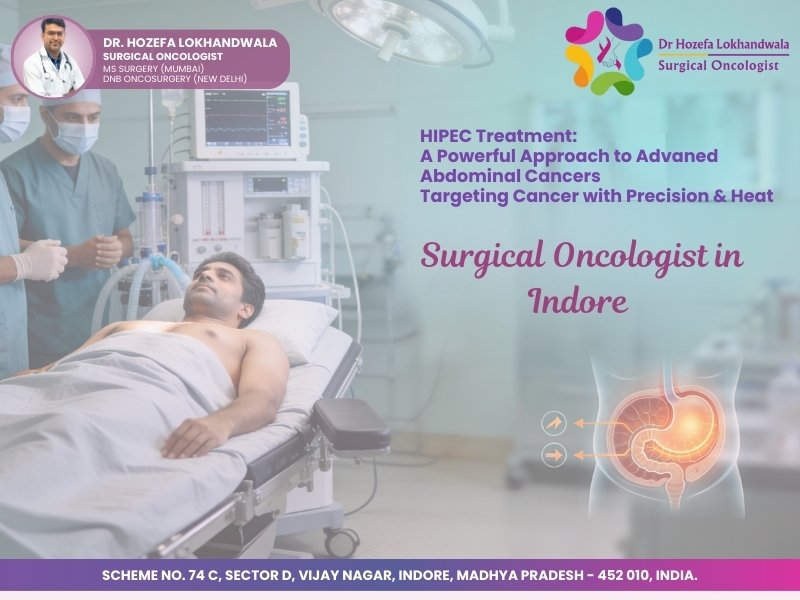
Patient lying on an operation table with surgical team and a glowing abdominal diagram showing heated chemotherapy, representing HIPEC treatment in Indore by an experienced surgical oncologist and cancer doctor in Indore
HIPEC

HIPEC Treatment: A Powerful Approach to Advanced Abdominal Cancers | Best HIPEC Specialist in Indore

When you face an advanced stage of cancer, the available treatment options may seem limited. However, doctors today use an innovative therapy called HIPEC (Hyperthermic Intraperitoneal Chemotherapy), which has transformed the treatment approach for several abdominal cancers. Because of this breakthrough, many patients who once had very few choices now have new hope. If you are searching for the Best HIPEC Specialist in Indore, understanding how HIPEC works, who benefits from it, and what recovery looks like will help you make confident decisions. What Is HIPEC? HIPEC stands for Hyperthermic Intraperitoneal Chemotherapy.It uses two powerful cancer-fighting methods together: Cytoreductive Surgery – Doctors remove all visible tumors from the abdomen. HIPEC Procedure – Immediately after surgery, doctors circulate heated chemotherapy inside the abdomen. Instead of sending chemotherapy into the bloodstream, HIPEC delivers medicine directly to the cancer area. The heat strengthens the effect of the chemotherapy, and because the treatment stays inside the abdomen, the rest of the body experiences far fewer side effects. How HIPEC Works – Step-by-Step Cytoreductive Surgery (CRS) The surgical oncologist removes all visible tumors from the abdominal cavity. This step may take several hours and can include removing affected parts of organs like the intestines or ovaries. Circulation of Heated Chemotherapy Next, the specialist pumps heated chemotherapy (around 42°C) inside the abdomen for 60–90 minutes. The heat weakens cancer cells and helps the medicine reach deeper tissues. Rinsing and Closure After the treatment, the team drains the chemotherapy, rinses the abdomen with saline, and closes the incisions. The patient then begins recovery under close monitoring. Why HIPEC Works Better Than Traditional Chemotherapy Traditional chemotherapy travels through the bloodstream and reaches the entire body. Because of this, patients often experience hair loss, nausea, fatigue, and low immunity. In contrast, HIPEC targets only the abdominal cavity, allowing higher drug concentration in the cancer area while reducing overall side effects.Additionally, heat increases the effectiveness, Best HIPEC Specialist in Indore giving HIPEC a strong advantage in suitable cases. Cancers That Benefit from HIPEC HIPEC works well for cancers that spread inside the abdominal cavity, such as: Advanced or recurrent Ovarian Cancer Appendiceal Cancer Colorectal/Colon Cancer with peritoneal spread Gastric Cancer Peritoneal Mesothelioma Pseudomyxoma Peritonei (PMP) If you have any of these conditions, meeting the Best HIPEC Specialist in Indore will help you understand if HIPEC is right for you. Who Qualifies for HIPEC? Doctors evaluate several factors before recommending HIPEC: The cancer must remain inside the abdomen (not spread to lungs or bones). The patient must be strong enough to undergo major surgery. The tumor type must respond to heated chemotherapy. The specialist reviews previous treatments, performance status, and organ function. Through imaging scans, blood tests, and sometimes diagnostic laparoscopy, the Surgical oncologist in Indore determines whether Best HIPEC Specialist in Indore will work for the patient. Benefits of HIPEC Treatment HIPEC offers several powerful benefits: Higher Local Chemotherapy Dose Doctors can use stronger chemotherapy because it stays inside the abdomen. Fewer Systemic Side Effects Since the medicine does not circulate throughout the body, patients experience less nausea, hair loss, and immune suppression. Better Survival and Quality of Life Studies show that patients often live longer and enjoy better quality of life when they undergo cytoreductive surgery with HIPEC. Eliminates Microscopic Cancer Cells Even after removing visible tumors, tiny cells can remain. HIPEC destroys these invisible cells effectively. Shorter Chemotherapy Duration HIPEC acts as a one-time, high-impact treatment during surgery, unlike months of traditional chemotherapy cycles. Possible Risks and Side Effects HIPEC is a major surgery, and like all advanced procedures, it has risks. Patients may experience: Temporary digestive issues (nausea or diarrhea) Weakness or fatigue Infection or delayed wound healing Rare kidney or liver strain An experienced and Best HIPEC Specialist in Indore carefully monitors these issues and helps the patient recover safely. Recovery After HIPEC Recovery depends on the patient’s overall health and surgery extent. Most patients stay in the hospital for 10–14 days. During recovery: ICU monitoring continues for 1–2 days. Diet and bowel movements return gradually. Regular follow-ups and scans track healing. Most patients return to light activity in 4–6 weeks and resume normal life in 2–3 months. HIPEC Success Rates and Global Research Worldwide studies reveal strong outcomes: For example: In colorectal cancer with peritoneal spread, CRS + HIPEC improves median survival from around 12 months to over 30 months in selected patients. In PMP (Pseudomyxoma Peritonei), many studies show 5-year survival rates above 70%. Success depends on early diagnosis, tumor biology, surgery completeness, and the surgeon’s expertise. HIPEC Treatment in Indore Indore has become a leading center for advanced oncological treatments, including HIPEC. Modern hospitals now provide state-of-the-art facilities for cytoreductive surgery and HIPEC under highly trained specialists. Dr. Hozefa Lokhandwala, recognized as one of the Best HIPEC Specialist in Indore, performs complex HIPEC and cytoreductive procedures with precision. Patients value his compassionate approach, modern surgical techniques, and deep experience in abdominal cancer care. What to Expect Before and After Meeting a HIPEC Specialist Before HIPEC The oncologist performs detailed scans (CT/MRI). You receive nutritional and physical preparation plans. The team explains the benefits, risks, and recovery process. After HIPEC Continuous monitoring in the hospital Gradual return to normal diet and activity Periodic scans to detect any recurrence early Most patients feel tired initially but regain strength steadily. How to Prepare Mentally and Physically Major cancer surgery brings emotional challenges. You can prepare better by: Learning about HIPEC from reliable medical sources Discussing all questions with your specialist Following your diet and hydration plan Relying on family support during recovery Myths and Facts About HIPEC Myth Fact HIPEC is experimental. HIPEC is a globally established treatment. HIPEC causes more side effects. It usually causes fewer overall side effects. Only foreign hospitals offer HIPEC. Many top Indian centers perform HIPEC, including Indore. HIPEC cures all cancers. It works only for selected abdominal cancers. Why Choose the Best HIPEC Specialist in Indore The right doctor plays a key role in achieving the best outcomes.The Best HIPEC

3D illustration of the digestive system showing stomach, intestines, and GI organs for diagnosis by Dr. Hozefa Lokhandwala, Best Oncology Specialist in Indore
Gastrointestinal and Hepato-Pancreatico-Biliary Cancer

What Are the Early Warning Signs of Gastrointestinal (GI) Cancer You Should Never Ignore?

Gastrointestinal (GI) cancers are among the most common types of cancers worldwide. They include cancers that affect the stomach, intestines, pancreas, liver, and esophagus. Many people ignore early symptoms, assuming they are minor digestive issues. However, paying attention to the warning signs can save your life, especially when guided by a Gastrointestinal Cancer Specialist in Indore or the Best Oncologist in Indore. In this blog, we’ll discuss the most common early signs of GI cancer, who is at risk, and when you should visit a doctor for evaluation. Why Early Detection of GI Cancer Is So Important Catching gastrointestinal cancer early dramatically improves treatment success. Unfortunately, most GI cancers are diagnosed at later stages because their early symptoms are mild and easily overlooked. If you notice persistent digestive issues that don’t improve with lifestyle changes, it’s crucial to get a medical check-up. Early detection allows doctors to treat the cancer before it spreads. Consulting the Best Oncologist in Indore or a Gastrointestinal Cancer Specialist in Indore at the right time can significantly improve outcomes. 1. Persistent Indigestion and Heartburn Occasional heartburn is normal. But if you’re experiencing indigestion or acid reflux almost daily, it may indicate a more serious condition. If symptoms persist even after medications or avoiding triggers, schedule a consultation with a gastroenterologist or surgical oncologist. Persistent acidity may sometimes indicate the early stages of stomach or esophageal cancer. A Gastrointestinal Cancer Specialist in Indore can help determine the cause. 2. Feeling Full After Eating Small Amounts Feeling full after only a few bites—known as early satiety—is a common early sign of stomach cancer. When a tumour grows inside the stomach, its food capacity reduces. As a result, you may feel bloated or uncomfortable even after light meals. If this happens frequently, consult the Best Oncologist in Indore for evaluation. 3. Loss of Appetite and Unexplained Weight Loss Sudden weight loss without dieting or exercise is one of the most serious warning signs of GI cancer. Loss of appetite often accompanies this symptom. If food no longer appeals to you or nausea is frequent, talk to your doctor immediately. Early assessment by a Gastrointestinal Cancer Specialist in Indore is essential. 4. Abdominal Pain or Discomfort A dull or constant ache in your upper or lower abdomen can signal many digestive conditions, but persistent pain that doesn’t go away needs attention. If the pain becomes regular, get evaluated by the Best Oncologist in Indore, as abdominal discomfort is a common early sign of several GI cancers. 5. Changes in Bowel Habits Changes in your bowel movements are among the most visible early signs of gastrointestinal cancer. These can include: Diarrhea lasting weeks Persistent constipation Narrow, ribbon-like stools Feeling your bowel doesn’t empty completely Any long-term change in bowel routine should be assessed by a Gastrointestinal Cancer Specialist in Indore. 6. Blood in Stool or Vomit Blood in stool or vomit is a serious warning sign. It may appear as bright red blood or black, tarry stools. Even if you think it’s caused by ulcers or piles, you should never ignore bleeding. The Best Oncologist in Indore can help diagnose the underlying cause. 7. Nausea, Vomiting, or Difficulty Swallowing Difficulty swallowing (dysphagia) or frequent nausea can signal esophageal or stomach cancer. If swallowing becomes hard or vomiting occurs without reason, it’s best to rule out serious causes through proper evaluation. 8. Fatigue and Weakness Constant fatigue may indicate anemia caused by slow internal bleeding from a tumour. If you feel dizzy, weak, or breathless, ask your doctor for blood tests. Low hemoglobin combined with digestive symptoms should be assessed by an expert. 9. Jaundice (Yellowing of Skin and Eyes) Yellowing of the skin or eyes, pale stool, and dark urine may suggest liver or pancreatic cancer. Jaundice must always be evaluated by a specialist to rule out serious gastrointestinal disease. 10. When Should You Visit a Doctor? You should see a doctor if you experience: Persistent digestive issues for more than two weeks Sudden unexplained weight loss Blood in stool or vomit Continuous abdominal pain Difficulty swallowing or persistent nausea These symptoms don’t always mean cancer, but identifying the cause early may save your life. Who Is at Higher Risk of GI Cancer? People at higher risk include those with: Family history of GI cancer Smoking or heavy alcohol use Poor diet low in fiber Obesity Chronic acidity or gastritis Previous gastrointestinal polyps If you fall into these categories, regular screenings are essential. Simple Steps to Lower Your Risk Eat a balanced diet with fruits and vegetables Avoid tobacco and limit alcohol Maintain a healthy weight Exercise for at least 30 minutes daily Manage reflux and acidity early Get regular cancer screenings Consult an Experienced Surgical Oncologist in Indore If you notice any of the symptoms mentioned above, consulting an experienced Gastrointestinal Cancer Specialist in Indore like Dr. Hozefa Lokhandwala can help you get an accurate diagnosis and timely treatment. Dr. Hozefa Lokhandwala is known for his expertise in surgical oncology and advanced GI cancer procedures. He is recognized as the Gastrointestinal Cancer Specialist in Indore, offering compassionate and precise care. Your digestive system is vital for your overall health. Symptoms like persistent indigestion, unexplained weight loss, or bowel changes should never be ignored. Early detection of GI cancer improves treatment success and may save lives. If you or someone you know is experiencing these warning signs, consult the Best Oncologist in Indore or a qualified Gastrointestinal Cancer Specialist in Indore as early as possible. FAQs – 1. What are the earliest warning signs of gastrointestinal cancer? Early signs of GI cancer often include persistent indigestion, bloating, unexplained weight loss, changes in bowel habits, and ongoing abdominal discomfort. These symptoms are usually mild at first, which is why many people ignore them. If such symptoms last more than two weeks, it’s important to consult a Gastrointestinal Cancer Specialist in Indore for proper evaluation and early diagnosis. 2. Are digestive problems always a sign of gastrointestinal cancer? Not always. Many digestive issues are caused by acidity, infections, or

Scroll to Top